

zoom
Adipic Acid
-
Category:
Specialty Chemicals
Your Questions and Comments
Your sales and customer service desk partners within China Amines Co will continue to serve you. You can also contact us via our headquarter office-
Email:info@chinaamines.com
China Amines Co
Product Profile
Adipic Acid (Hexanedioic Acid)
CAS No.: 124-04-9
Synonyms / IUPAC Name: Adipic Acid, Hexanedioic Acid, 1,6‐Dicarboxyhexane
Molecular Formula: C₆H₁₀O₄
Molecular Weight: ~146.14 g/mol
Physicochemical Properties (Typical)
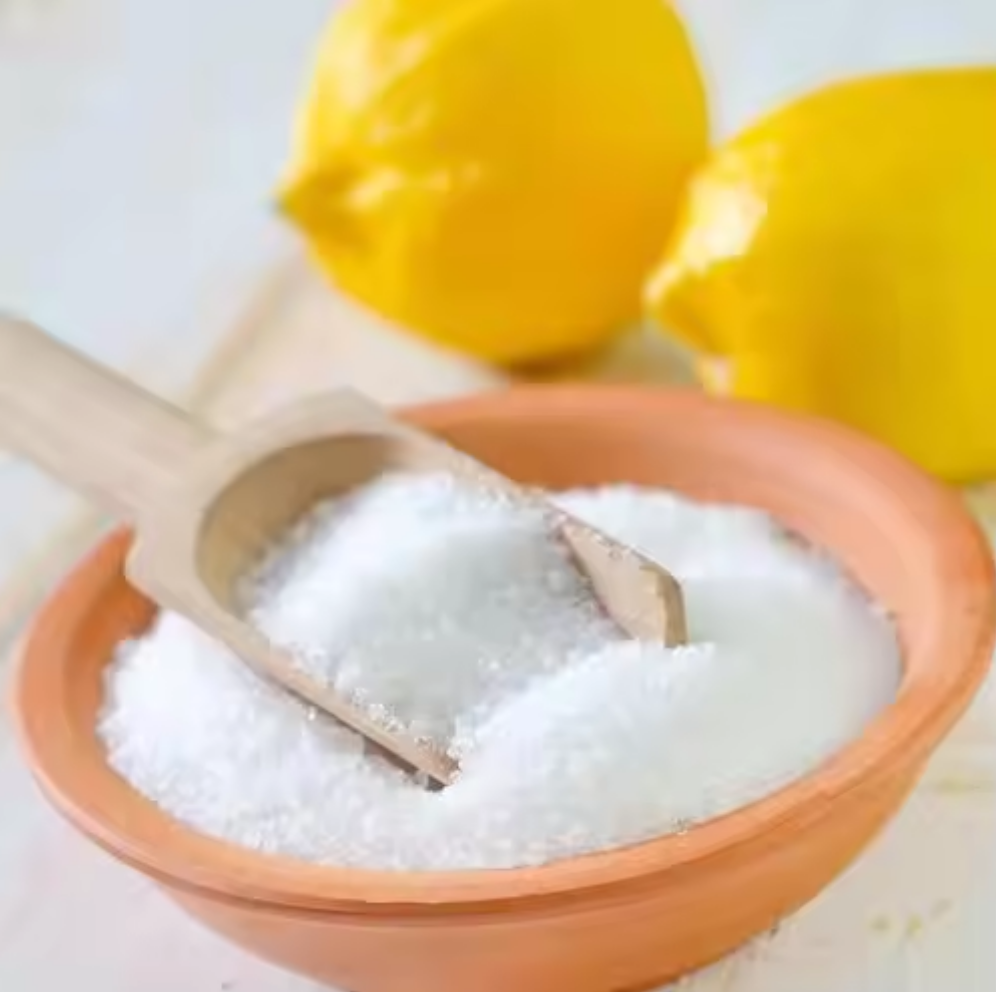
- Appearance: White crystalline solid
- Odor: Odorless or practically odorless
- Melting Point: ~150.9 °C to ~153 °C
- Boiling Point: ~337.5 °C (at 101.3 kPa)
- Density (25 °C): ~1.36 g/cm³
- Solubility: Slightly soluble in water (~22 g/L at 20 °C)
- Log P (octanol/water): ~0.093 (very low lipophilicity)
- Flash Point / Auto-ignition Temperature: Flash point ~196 °C; auto-ignition ~405 °C
- Other: In dust form, may present explosion hazard under air mixing conditions
Purity & Quality Standards
- Purity: Typically ≥ 99.0% for reagent/industrial grade
- Impurity Limits: Melting range 151–154 °C; heavy metals (as Pb) max ~0.0001% for high-purity grade
- Moisture / Water Content: Controlled; bulk material kept dry to prevent clumping
- Analytical Methods: GC, titration, HPLC as appropriate for specific grade
- Documentation: Certificate of Analysis (COA) and Safety Data Sheet (SDS) provided per batch
Applications / Uses
- Key monomer for producing polyamide 6,6 (nylon) via reaction with hexamethylenediamine
- Intermediate in polyurethane, plasticizers, lubricants, adhesives, coatings, and sealants
- Used as acidity regulator (E355) in certain food applications (region-specific)
- Serves as a dicarboxylic acid building block in fine chemical synthesis
Safety & Handling
- Hazard Classification: Combustible solid; dust may form explosive mixtures with air
- Health Effects: May cause mild irritation to eyes, skin, and respiratory tract if dust is generated
- Fire & Explosion: Dust lower explosive limit ~3.9% (dust in air)
- Precautions: Use in well-ventilated area; minimize dust generation; wear protective gloves and goggles; avoid strong oxidizers and incompatible materials
- First Aid Measures:
- Inhalation – Move to fresh air, seek medical attention if symptoms persist
- Skin – Wash thoroughly with soap and water
- Eyes – Rinse cautiously with water for several minutes
- Ingestion – Rinse mouth and seek medical advice immediately
Packaging & Storage
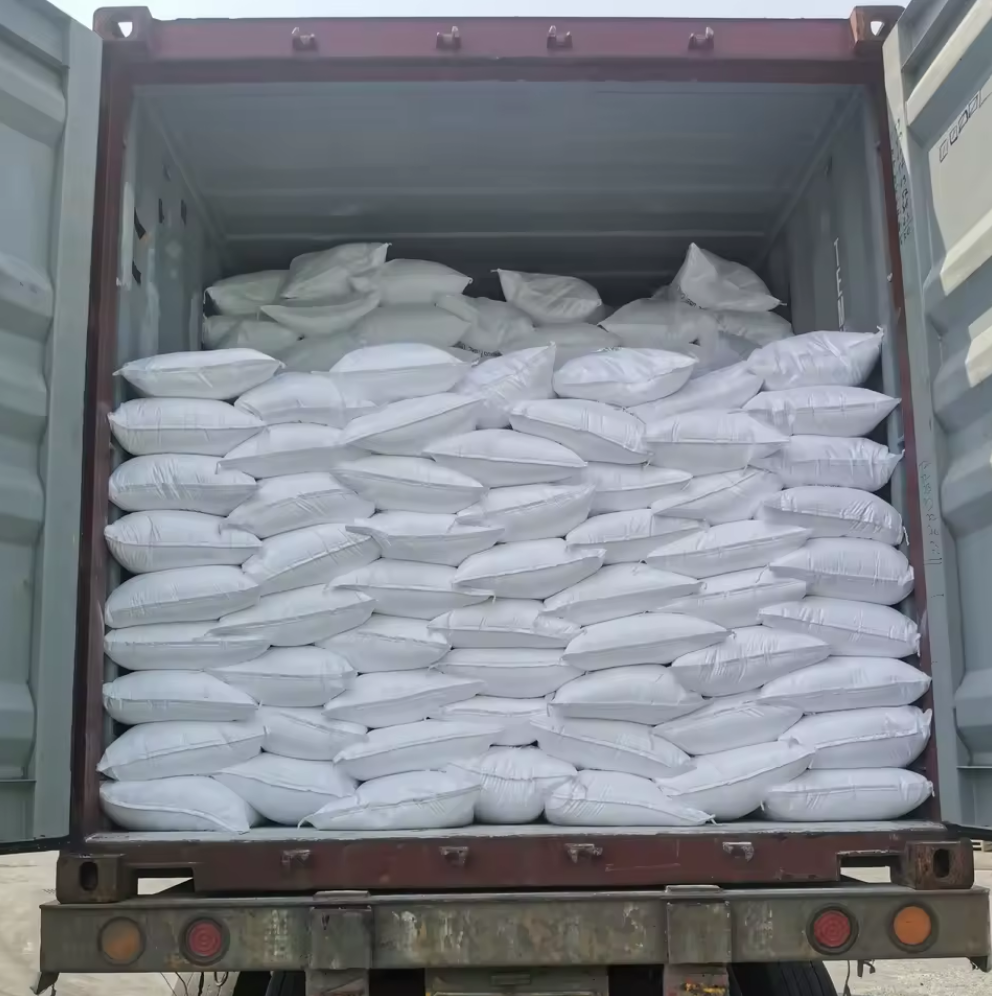
- Packaging: Sealed bags or drums suitable for dry crystalline solids
- Storage Conditions: Store in a cool, dry, and well-ventilated warehouse away from moisture and contaminants
- Container Closure: Keep tightly sealed when not in use to maintain dryness
- Shelf Life: Typically 12–24 months under recommended storage conditions